Teachers, Facilitators, Organizers
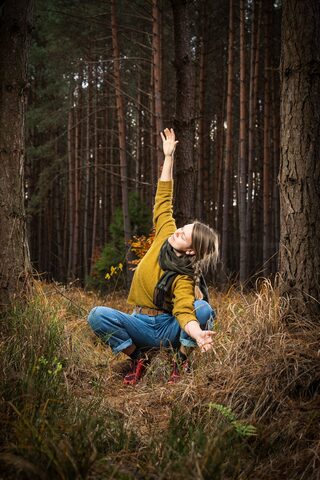
Kraków
Agata Romankiewicz
Details →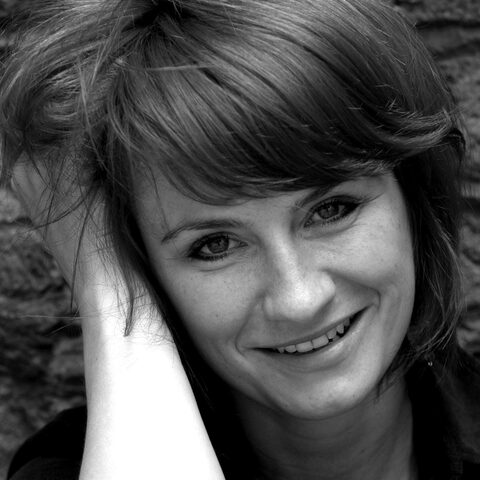
Wrocław
Agnieszka Rybak
Details →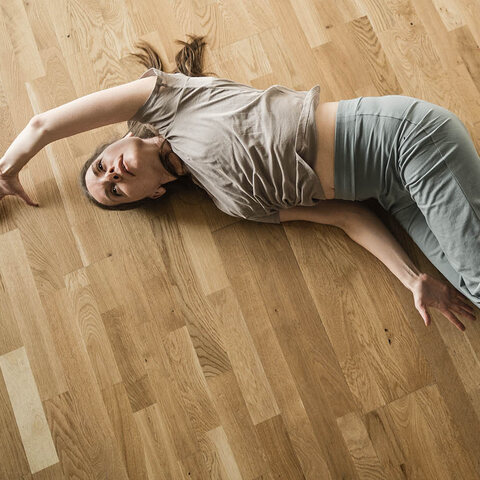
Gdańsk / Tricity
Aleksandra Rud
Details →Lublin
Alesia Seraya
Details →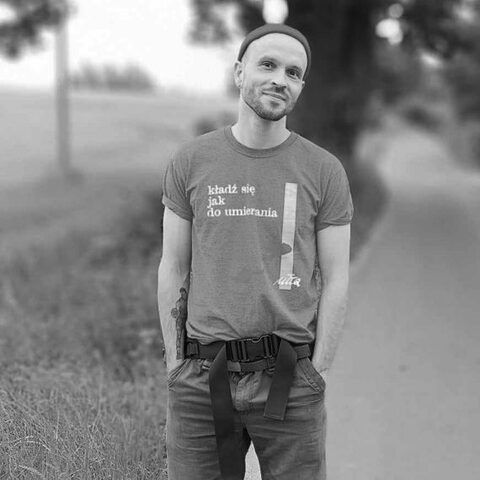
Warsaw
Andrzej Woźniak
Details →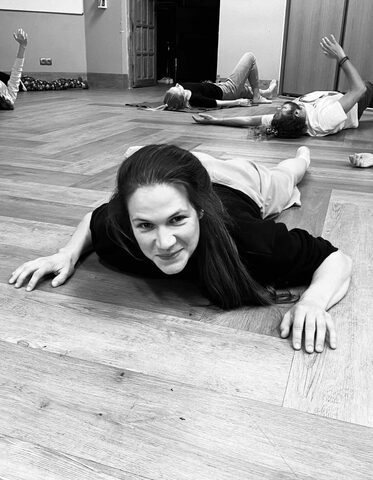
Warsaw
Angelika Mizińska
Details →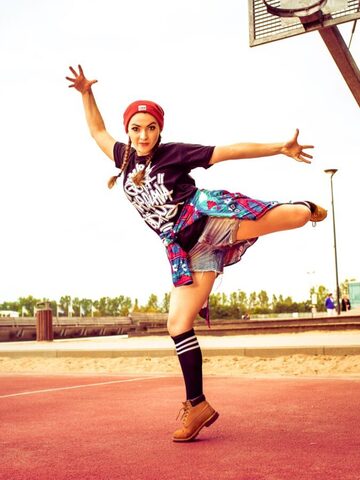
Olsztyn
Becia Kulgajuk
Details →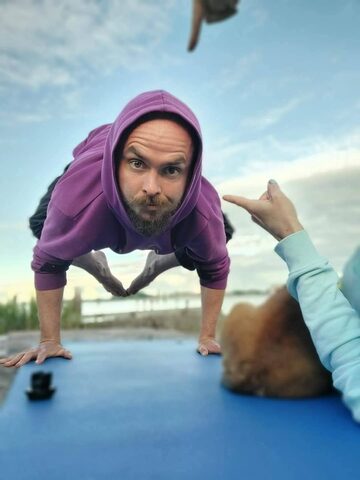
Kraków
Damian Oterman
Details →
Kraków
Dawid Swoboda
Details →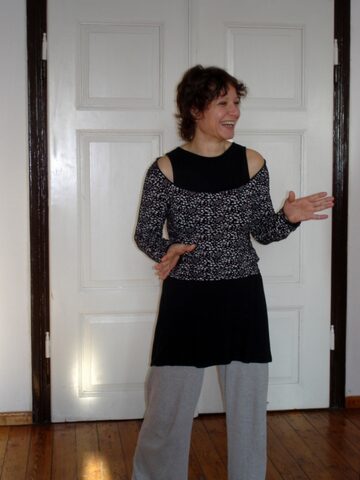
Wrocław
Dorota Kamecka
Details →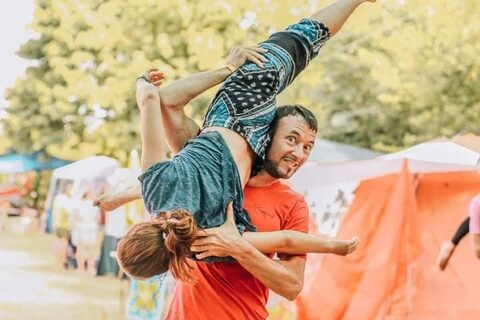
Kraków
Edward Rey
Details →
Katowice
Ewelina Cieśla
Details →Warsaw
Filip Wencki
Details →Kraków
Gosia Żurawska
Details →Warsaw
Hanna Jurczak
Details →
Kraków
Iwona Olszowska
Details →Warsaw
Iza Maksymowicz
Details →Łódź
Jacek Owczarek
Details →Kraków
Jagoda Kiczyńska
Details →
Kraków
Karol Swoboda
Details →Warsaw
Klara Łucznik
Details →Toruń
Krzysiek Skibicki
Details →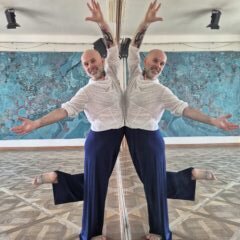
Kraków
Łukasz Siemieniec
Details →Katowice
Marcin Jóźwik
Details →Warsaw
Marta Jakimicha
Details →Poznań
Marta Milewska
Details →Warsaw
Michał Czarnecki
Details →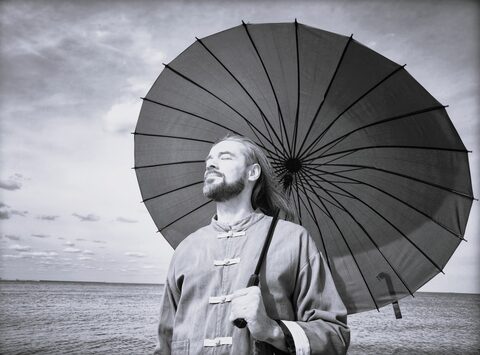
Warsaw
Michał Ratajski
Details →Toruń
Monika Kochowicz
Details →Warsaw
Natalia Charitonow
Details →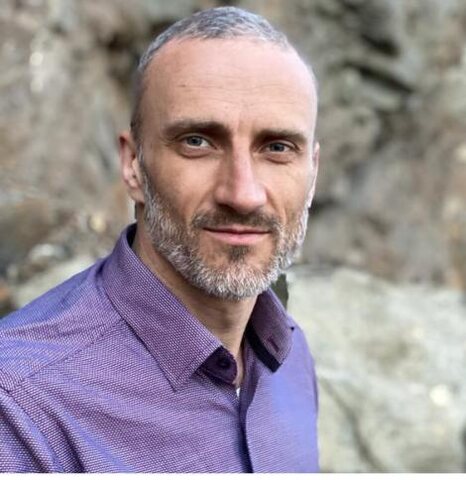
Kraków
Paweł Konior
Details →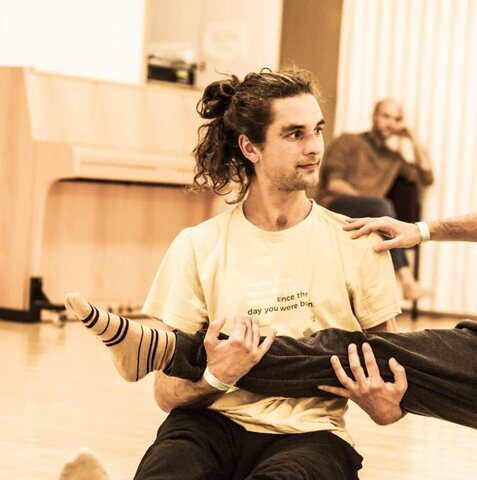
Poznań
Paweł Kubiak
Details →
Kraków
Paweł Śliz
Details →Kraków
Sebastian Flegiel
Details →
Szczecin
Sebastian Zemankiewicz
Details →
Warsaw
Tomasz Domański
Details →Warsaw
Zuzanna Bukowski
Details →Language
A still version of the cosmos — gentler to take in, and lighter on slower devices.
You've been swimming in gravity since the day you were born. Every cell knows where down is. Easily forgotten. Your mass and the earth's mass calling to each other.
— Steve Paxton, GravityEvents
Recurring & seasonal
About CI
What it is
Contact improvisation (CI) is a dance around a shared point of touch. Two people give each other weight, roll, support and fall — answering each other as they go, with no set steps.
In Polish you'll hear two versions — “improwizacja kontaktowa” and “kontakt improwizacja”; in English, contact improvisation.
Instead of leading, what matters is listening with the body: you track where your weights meet and answer what comes. You can dance as a pair, in a group, or solo.
- The point of contact. The dance happens where bodies meet — and that point keeps travelling.
- Sharing weight. You learn to give and receive weight, rather than carrying your partner.
- Reflexes and falling. Disorientation, rolling and soft landings are part of the form, not a mistake.
- Ongoing consent. At any moment you can change the intensity, pause, or leave the dance.
There's no single, official definition of CI. Unlike most of what surrounds us today, it has no centre — many voices, approaches, opinions. And that's a good thing.
Before your first jam
A jam is an open, informal gathering to dance — no class, no teacher, no set steps. People come simply to dance contact improvisation: you join and leave dances whenever you like, solo, in pairs or in a group.
- Come sober and rested. CI rests on awareness — substances and fatigue dull the listening that everything here starts from.
- Comfortable clothes and water. Long sleeves and trousers ease the slide; people dance barefoot or in socks. Bring an extra layer.
- Consent is ongoing. A “yes” to one moment isn't a “yes” to the next — you can always change the intensity, pause, or end a dance.
- Watching is taking part too. Sitting at the side and watching is a full way of being at the jam, not a break.
- Start small. A beginners' class plus a guided jam will teach you more than jumping straight into a big, open jam.
See how it looks
The best first step is a beginners' class plus a guided jam.
About CI · deeper
Roots
CI has no single founder and no manual. It began with Steve Paxton's 1972 experiment and has been passed from body to body for half a century. Below: a timeline and source recordings — see and hear where it came from.
- lata 90.
Kontakt dociera do Polski
Forma trafia nad Wisłę przez warsztaty i spotkania z zagranicznymi nauczycielami oraz tancerzy wracających z Zachodu. Wśród pierwszych przewodniczek i przewodników praktyki są Iwona Olszowska z Krakowa, Wojciech Mochniuk i Paweł Pniewski — łączą CI z pracą somatyczną, świadomością ciała i tańcem współczesnym.
- 2007
Festiwal SIC! w Warszawie
Rusza Międzynarodowy Festiwal Improwizacji Tańca SIC! (2007–2012) — jedna z pierwszych dużych warszawskich platform improwizacji i kontaktu, otwierająca scenę na gości z całego świata.
- 2010
Warsaw Flow i Cyrkulacje
W jednym roku startują dwa filary sceny: warszawski Warsaw Flow — międzynarodowy festiwal kontakt improwizacji (Fundacja Artystyczna PERFORM) — oraz wrocławskie Cyrkulacje przy Instytucie Grotowskiego. Oba działają do dziś, gromadząc nauczycielki i nauczycieli z całej Polski i z zagranicy.
- 2012
FRU — polski festiwal CI
W Łodzi rusza FRU: Polski Festiwal Kontakt Improwizacji (2012–2017), w całości poświęcony tej praktyce. Tworzy go Grupa KIJO wokół Jacka Owczarka, a ośrodek łódzki staje się ważnym punktem na mapie kontaktu.
- lipiec 2019
Pierwsza konferencja o CI
6–7 lipca w CSW Zamek Ujazdowski odbywa się pierwsza performatywna konferencja „Kontakt improwizacja w Polsce” — wykłady, archiwa, pokazy i panele, które po raz pierwszy zbierają polską scenę w jednym miejscu.
- grudzień 2019
Książka „Kontakt improwizacja w Polsce”
Ukazuje się obszerny tom pod tym tytułem (Fundacja Artystyczna PERFORM, Akademia Muzyczna w Łodzi, Narodowy Instytut Muzyki i Tańca) — pierwsza tak szeroka próba opisania polskiej praktyki i jej twórców, ze zbiorem głosów kilkudziesięciu artystek i artystów.
- dziś
Rozproszona, oddolna scena
Praktyka żyje bez jednego centrum: regularne dżemy i festiwale (Cyrkulacje, Warsaw Flow, odrodzone w 2025 FRU) niesie społeczność w wielu miastach — od Krakowa i Wrocławia po Warszawę. W 2025 Warszawa gości europejski zjazd nauczycieli kontaktu ECITE.
Watch and listen
Sources and more
Language
A still version of the cosmos — gentler to take in, and lighter on slower devices.